Tuesday, October 27, 2009

Hosiery for Health

A pantyhose has been known to enhance the legs and overall appearance of a woman. However, a pantyhose can also be of use for women who are not after the improved look and feel of leg wear, but for the health benefits they can get from wearing a pantyhose. Control top pantyhose and bodyshapers are made to enhance a woman’s silhouette. There are also stockings made of a blend of nylon and spandex to make the legs seem more toned. A medical support pantyhose operates on the same principle, for reasons that are much more than just aesthetics.

Using a medical support pantyhose for varicose veins
Varicose veins have been a long-standing problem for women across all body types. Though an opaque pantyhose can hide this leg problem, varicose veins are much more than just unsightly blemishes.

Varicose veins may occur in people who have vascular or circulatory problems that are either genetic or congenital in nature. Varicose veins may also appear in people who have acquired vascular problems through time and even through pregnancy. People in jobs that require them to stand up for long periods of time are often the most susceptible to develop varicose veins. Varicose veins develop when blood flow towards the heart has been impeded by blockages and gravity. Blood is being pulled downward, towards the ankles. Often, varicose veins may just be unsightly problems, but in extreme cases may cause pain, discomfort, and even skin ulcers around the areas of the swollen veins.

Benefits of wearing a medical support pantyhose
Doctors prescribe supports stocking and hosiery to people afflicted with varicose veins caused by congenital vascular diseases such as thrombophlebitis to help lessen the pain and improve circulation.
A medical support pantyhose works through compression that improves blood circulation in the legs. Most medical support pantyhose are tight around the ankle areas, same with areas that blood pools down to. By ensuring that there is a tight fit in the ankle area, blood is stimulated to flow upwards in the right direction. Blood flow is further regulated as the fit or compression decreases as it goes up to the whole leg of the hose.

Wearing medical support pantyhose is not only beneficial for older women who have developed varicose veins and circulatory problems, but also for pregnant women. Due to the added weight of the baby, most pregnant women develop swollen lower limbs as blood also pools downwards. A medical support pantyhose not only aids in regulating the blood circulation in the legs. The added control top found in most maternity pantyhose also help lift up the tummy portion.

Sources:
Shop National
MayoClinic
LEGLUXE
MayoClinic
Medline Plus

Brief shocks may deliver AIDS vaccines better


By Tan Ee Lyn

PARIS (Reuters) - Brief electric shocks may help the body better respond to certain kinds of experimental AIDS vaccines, U.S. researchers said on Thursday.

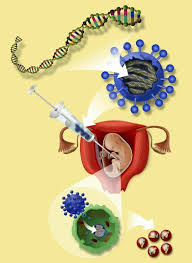
They used a device that looks like a handgun to inject vaccine along with three brief electrical pulses to open up cell membranes so that the vaccine can get inside.

Sandhya Vasan of the Aaron Diamond AIDS Research Center in New York said the technique, called electroporation, may be particularly useful in delivering DNA vaccines, which use an infectious agent's own genetic material to elicit an immune response.

"With a brief pulse of electricity, our cell membrane temporarily opens up and allows a lot more of the DNA to get inside. The reason why DNA vaccines by themselves don't trigger A powerful immune response is because most of it (DNA) does not get inside our cells," Vasan told Reuters in an interview.

In their study, Vasan and her colleagues used a relatively weak experimental DNA vaccine designed in 2001 using four genes from an AIDS virus circulating in China.

When the vaccine was given by injection alone, only 25 percent of participants developed any immune response. But in its latest trial in 2007-2009 when the same vaccine was delivered using electroporation, the immune response appeared far stronger, Vasan told a meeting of AIDS vaccine researchers in Paris.

"We improved the response rate, improved the duration of the response and it also improved the breadth of the response. There were four different genes of the virus, for the highest dose, people were responding to 3 or even 4 of the genes," Vasan said.

The study involved 40 people divided into five groups of eight. Three groups were given the vaccine in varying doses with the electric pulse. The fourth group was given placebos with electricity while the fifth was given the highest dose with a conventional injection.

Results later showed that those who got conventional injections had no immune response, while three out of the eight people given the lowest dose plus electrical pulse formed a response and everyone given the highest dose electroporally had immune response.

"This is the first clinical trial of electroporation in healthy volunteers for a preventative vaccine. It can be applied to many diseases, many vaccines, not just for HIV," Vasan said.

Her group plans to go into Phase 2 trial delivering another, stronger DNA vaccine through electroporation.

Researchers are struggling to develop an AIDS vaccine that can protect people from being infected with the fatal and incurable virus. While dozens are in the works, only one vaccine has shown any efficacy at all and researchers are not sure how strong the effect actually is.

People often develop some kind of immune response to HIV vaccines but this does not correlate into being protected, and scientists do not fully understand why not.

(Editing by Maggie Fox)

Gene therapy experiment restores sight in a few


By Phil Furey

PHILADELPHIA (Reuters) - Nine-year-old Corey Haas can ride his bike alone now, thanks to an experimental gene therapy that has boosted his fading vision with a single treatment.

The gene therapy helped improve worsening eyesight caused by a rare inherited disease called Leber congenital amaurosis, or LCA, which makes most patients blind by age 40.

Twelve treated patients, including Corey, now have better vision, their doctors told a joint meeting of the American Academy of Ophthalmology and Pan-American Association of Ophthalmology in San Francisco on Saturday.

"All 12 patients given gene therapy in one eye showed improvement in retinal function," Dr Katherine High of The Children's Hospital of Philadelphia and the Howard Hughes Medical Institute and colleagues wrote in a report to be released at the same time by the Lancet medical journal.

LCA causes the retina to degenerate and the researchers found that the younger the patient treated with the therapy, the better the effects.

"Before, I used to ride my bike just in front of the house and now I just ride around the neighborhood with no one watching," Corey told a news conference.

While the experiment was meant mostly to show the treatment was safe, it showed remarkably strong effects, High and Dr Jean Bennett of the University of Pennsylvania found.

"This study reports dramatic results in restoring vision to patients who previously had no options for treatment," said High. "These findings may expedite development of gene therapy for more common retinal diseases, such as age-related macular degeneration."

BATTERED FIELD

They could also help restore the tarnished image of gene therapy, battered by the death of an 18-year-old volunteer in a clinical trial in 1999 and cases of leukemia in a few young children treated in France.

"The study by Bennett and co-workers will further boost gene therapy trials and provide hope for patients with inherited blindness and other genetic disorders," Dr Frans Cremers and Dr Rob Collin of Nijmegen Medical Center in the Netherlands wrote in a commentary.

A faulty gene means patients with LCA start to lose their vision in childhood. There is no treatment.

High, Bennett and colleagues worked with 12 volunteers, aged 8 to 44. They reported on three of the adult patients in April of 2008.

They designed a harmless virus, called an adeno-associated virus, to carry corrective DNA directly into the eyes. The gene they used, called RPE65, is mutated in up to about 16 percent of LCA patients and the normal gene restored light-sensitive pigments in the retina at the back of the eye.

The treatment did not restore normal eyesight to any of the patients but half are no longer legally blind. "The clinical benefits have persisted for nearly two years since the first subjects were treated with injections of therapeutic genes into their retinas," Bennett said.

Four children aged 8, 9, 10, and 11 can now walk unaided.

Corey's father, Ethan Haas, from Hadley, New York, said they embraced the experiment.

"You start to think of what could happen -- he could go completely blind. And then it's like, well, he may go blind in the future anyway because it's degenerative, so I decided to try it now and see if we could stop it and correct it," Haas said.

Corey's mother, Nancy Haas, said it was worth the risk.

"It's hard to see a child not be able to play like he should with his other friends, and then to have shortly after surgery, he's out there with his friends, playing, being able to see things coming from his peripheral vision, noticing other kids," she said, beginning to cry.

"It's all worth it."

(Writing and reporting by Maggie Fox in Washington; Editing by John O'Callaghan)

Swine Flu Declared a National Emergency

Saturday President Obama declared the H1N1 flu, also known as the swine flu, a national emergency. The move allows Kathleen Sebelius, the U.S. Health and Human Services Secretary to quicken the regulatory process for health providers if they are besieged with cases of the swine flu, by waiving certain regulations.

The declaring of a federal emergency, according to White House officials, was not because there has been a major increase in the number of H1N1 cases, even though the numbers have been increasing gradually. The move was to help health care facilities when they become inundated with cases of H1N1. This will allow them the ability to make quick moves to contain H1N1 flu cases, including moving patients diagnosed with the virus to a designated area of their facility or moving them to another treatment facility, such as a nearby armory. Declaring a national emergency can also allow some of the restrictions placed on Medicare and Medicaid patients to be removed.

According to the president’s declaration of a national emergency, cases of the swine flu do continue to grow across the country, and “the potential exists for the pandemic to overburden health care resources in some localities.” The waiver could remove the chances of a hospital being overwhelmed by cases of the swine flu and allow hospitals to set up off-site locations where anyone with symptoms of the swine flu would go for treatment. Public health experts said the move by the president is a relief, even though health services are not strained yet, the cases have continued to increase significantly during the month of October.

According to the Center for Disease Control and Prevention between August 30th and October 17th there have been 2,416 deaths attributed to the swine flu, and the virus has already led to at least 21,823 Americans being hospitalized. Prior to that time, from April through August, there were 593 deaths and 9,079 hospitalizations. The virus is now considered active and spreading in 46 states,

While the more seasonal flu virus mostly affects the elderly, the swine flu tends to affect children. The number of children the U.S. has already lost to the swine flu is more than usually die during the entire flu season. Pregnant women, young adults and children seem to be more at risk.

Officials initially had hoped to have at least 120 million doses of swine flu vaccines available by mid-October, but there have been some production problems and only 16 million doses have been made available.

The government is taking some rather large measures to help when treating H1N1, including the now-established emergency. Do not panic, because the declaration was not because of a huge surge in cases of the flu. The move was a proactive step to help hospitals if they are inundated with a large number of flu cases due the virus continuing to grow across the U.S. While the number of H1N1 flu vaccines available is less than what had been expected, there are some available and more are due for arrival. Call your doctor or health department to schedule a vaccine today.

Saturday, October 24, 2009

Pregnancy Weight Harder to Lose for Obese Women

We all know how important it is to be healthy while you are pregnant, but even more so for women who are obese. Given the high rate of obesity, new guidelines have been issued recommending that the heavier a woman is, the less weight she should gain during pregnancy.

In research that was made public today, Kaiser Permanente confirmed that women who are obese and gain more weight than they should during pregnancy are much more likely to keep the weight on after giving birth. Nearly three out of four women that participated in the study gained more than 15 pounds during pregnancy and, on average, these women retained 40 percent of the extra weight a full year after they gave birth.

Dr. Kimberly K. Vesco, M.D., said, “Younger women and first-time mothers were the most likely to gain too much weight. The extra weight increased the risk for complications like hypertension, diabetes, preeclampsia, C-sections, and birth injuries.”

Approximately half of the pregnant women in the United States today are either overweight or obese, which is up from about 25 percent four decades ago. Obesity is defined as having a body mass index (BMI) that is 30 or more, and for most women that means carrying at least 30 extra pounds for their size. Normal weight is considered to be a BMI of 18.5-24.9, and overweight is considered to be 25-29.9. For example, a woman that is 5-foot, 2-inches tall who weighs approximately 135 pounds would be considered at the upper limit of the normal range (BMI = 25), and at 165 pounds she would be considered overweight (BMI = 30). A woman that is 5-foot 7-inches tall would be considered normal weight up to 160 pounds (BMI = 25) and considered obese at 195 (BMI = 30).

A total of 1,656 women that had a BMI of 30 or over at the beginning of their pregnancies were enrolled in this newly published study. The women were then followed for up to 18 months after their delivery.

Some previous studies suggest that infants that are born to obese women, who don’t gain much weight during their pregnancy, will have fewer delivery complications and better outcomes than the infants that were born to women who gained more weight than is recommended. The Kaiser research team began recruitment for a study to examine whether very obese women and their infants fare better when they gain no weight at all during pregnancy.

Victor Stevens, Ph.D. and the Kaiser Permanente Center for Health Research senior investigator, said that the “Healthy Moms” study, which was funded by a $2.2 million dollar grant from the federal government, will include women that are between 50 to 100 pounds above their normal weight at the start of their pregnancy. He stated, “These are not women with just a few pounds to lose. These are women who are carrying so much extra weight that it is a risk to themselves and their baby.”

Half of the women who were recruited for the study will receive standard care, which includes a single counseling session that will discuss nutrition and diet. The other half of the women will receive more intensive counseling to help teach them strategies for healthy eating and they will be able to attend weekly support sessions designed to reinforce positive behaviors. Those women will also be give personalized eating plans that will restrict their calorie intake to about 2,000 a day. The main goal is for these women to be within 30 percent of their pre-pregnancy weight after they deliver.

Stevens said, “The new IOM guidelines call for gaining no more than 20 pounds, but for women who are very obese this may not be the best advice. We want to see if outcomes are better if these women gain no weight or even lose some weight.”

Friday, October 23, 2009

Male Immunization with Gardasil Not Deemed Cost Effective

Although Gardasil has been proven to protect against two strains of the human papillomavirus (HPV) that cause cervical cancer, as well as two additional strains that cause genital warts, the Advisory Committee on Immunization Practices has voted against its use as a routine immunization for boys and men. However, the committee did vote, almost unanimously, to allow doctors to recommend the vaccine be given to males to reduce their likelihood of acquiring genital warts.

HPV is a sexually transmitted pathogen that is believed to cause approximately 70 percent of all cervical cancers. In addition, HPV has been associated with more rare forms of cancer of the throat, genitals and anus, as well as genital warts. Studies have found Gardasil not only to be safe, but also to be nearly 100 percent effective in preventing pre-cancerous cervical lesions from the four HPV strains that it targets. In addition, findings have shown that Gardasil is far more effective in females when given before they become sexually active.

Since first being approved by the U.S. Food and Drug Administration (FDA) in 2006 for use in females, the issue of whether or not to use Gardasil for males has been strongly debated. Advocates for use of Gardasil as a routine immunization among males believe that widespread use of the vaccine may reduce cervical cancer rates, since males commonly transmit HPV to females.

Although in early October the FDA approved the Gardasil vaccine for use among males aged 9 through 26, results of a study conducted in the same month revealed that immunization among males was not cost effective, as costs would outweigh the health benefit of the vaccine. Now, the results of the final vote by the Advisory Committee on Immunization Practices reported to the U.S. Centers for Disease Control and Prevention (CDC) has apparently put this issue to rest. The vaccine will not be approved for boys as part of the childhood immunization schedule.

The pivotal study published in the British Medical Journal made a comparison between a female-only vaccination program and a co-ed vaccination program. Researchers from the Harvard School of Public Health performed the analysis. According to lead researcher Jane Kim, an assistant professor of health decision science, “This study found that while vaccine coverage and efficacy are high in girls, including boys in an HPV vaccination program generally exceeds what the U.S. typically considers good value for money.”

The basis of a good value was deemed as having cost-effectiveness ratios ranging from $50,000 to $100,000 per quality-adjusted life year, or the cost of the vaccine versus the number of added years someone would gain by getting the vaccine. By assuming lifelong protection among 75 percent coverage, the routine vaccination of girls who were 12 years of age was found to be a good value at less than $50,000 per quality adjusted life year. However, by adding boys of the same age, the cost-effectiveness ratio was increased to over $100,000 per quality adjusted life year.

Currently, the CDC recommends Gardasil for girls ages 11 and 12, and for women ages 13 to 26, who have not been vaccinated for the prevention cervical cancer. The disease claims 4,000 female lives annually in the United State alone.

Declining Money Management Skills May Be Sign of Impending Alzheimer’s

If you’re 30 years old and having trouble managing your finances, it could be a sign you need to rethink your budget and perhaps seek professional guidance to get back on track and strengthen your financial skills. On the other hand, if you’re 65 and suffer from mild memory problems, a decline in your money management skills could signal progression toward Alzheimer’s disease, a new study suggests.

Researchers from the University of Alabama in Birmingham arrived at the conclusion after comparing the money management skills of 87 people with mild cognitive impairment (MCI) to 76 people with no memory problems. They measured the participant’s skills at the beginning of the study and again a year later using a tool called the Financial Capacity Instrument (FCI), which looks at preparing and paying bills, understanding a bank statement and balancing a checkbook, identifying fraud situations, counting coins and currency, and buying groceries.

During the study period, 25 participants progressed to Alzheimer’s disease. Their FCI scores showed a 6 percent decline from the start of the study, and their skills in managing a checkbook dropped by 9 percent. The 62 people with MCI who did not progress to Alzheimer’s and the control group maintained their FCI scores throughout the year. “Our findings show that declining financial skills are detectable in patients with mild cognitive impairment in the year before their conversion to Alzheimer’s disease,” said lead study author Professor Daniel Marson, of the neurology department and the Alzheimer’s Disease Research Center at the University. “Doctors should proactively monitor people with MCI for declining financial skills and advise them and their caregivers about steps they can take to watch for signs of poor money management.”

Marson also had advice for caregivers to avoid negative financial events. “Caregivers should consider overseeing a person’s checking transactions, contacting the person’s bank to find money issues, such as bills being paid twice, or become co-signers on the checking account so that both signatures are required for checks written above a certain amount,” he said. “Online Banking and bill payment services are also good options,” he added.

Dr. Susanne Sorenson, head of research at the Alzheimer’s Society, agreed that this could be a useful indicator for doctors supporting people with memory problems. “Everyone struggles now and then to divide a restaurant bill or total up a checkbook,” she said. “However, this study suggests that if you already experience significant memory problems and start to notice a decline in your financial skills it could be a sign of developing dementia.”

Every 70 seconds, someone develops Alzheimer’s. There are 10 classic warning signs of the disease: memory loss, difficulty performing familiar tasks, problems with language, disorientation to time and place, poor or decreased judgment, problems with abstract thinking, misplacing things, changes in mood or behavior, changes in personality, and loss of initiative. There is no cure for Alzheimer’s, but there are treatments that can slow the development of symptoms. These treatments work best when started early on in the course of the disease, and have less of an effect later on.

The study appears in the September 22 issue of Neurology.